Project 3
PET Neuroimaging in Vivo in Mood Disorders and Suicidal Behavior
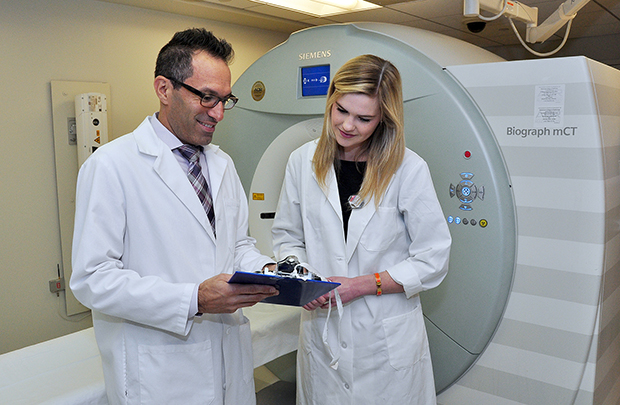
The molecular pathways contributing to depression and suicide risk are not well understood, which has hampered new treatment development. Previously, we used positron emission tomography (PET) to quantify serotonin transporter and the serotonin 1A receptor binding, and their association to depression, suicide attempt history, and neural responses to emotional stimuli.
One approach that appears to be highly relevant to the neurobiology of depression and suicide is the study of neuroinflammation induced by stress. This process involves activation of microglia in the central nervous system, and leads to downstream effects, including impairments in neuroplasticity in the brain and effects on multiple neurotransmitter systems.
Neuroinflammation may contribute to loss of synapses in brain regions relevant to the pathophysiology of depression and suicide, including the prefrontal cortex and the hippocampus. Our group has identified evidence of inflammation in depressed individuals at high risk for suicide from peripheral blood measurements of inflammatory cytokines, as well as convergent findings of elevated inflammatory cytokines in the brain through postmortem studies in suicide decedents.
A very novel direction is the study of synaptic density. Our postmortem studies in suicide have identified thinner prefrontal cortex, smaller dentate gyrus, and low expression of genes related to synaptic function, in the brains of suicide decedents.
PET Neuroimaging Will Study Links Between Serotonin, Neuroinflammation and Synaptic Density in Depression and Suicidal Behavior